Weather & Driving Conditions Affect Transmission Performance
Your transmission might not care about your Monday morning commute, but it definitely reacts to the weather and how you drive. When that first hard freeze hits, your transmission fluid can turn into something closer to molasses than the free-flowing liquid it's supposed to be. And if your driving habits aren’t consistent, things might get even worse. The experts at Mr. Transmission in Sharonville, OH, like to remind our clients about these two critical issues that make a difference in performance.
Transmissions Are Impacted by Cold Temperatures
Transmission fluid thickens in freezing conditions, and the increased viscosity prevents it from flowing freely through your transmission's passages and valves. When fluid can't circulate properly, your gears may shift roughly or hesitate before engaging. You might notice that when shifting from park to drive on frigid mornings.
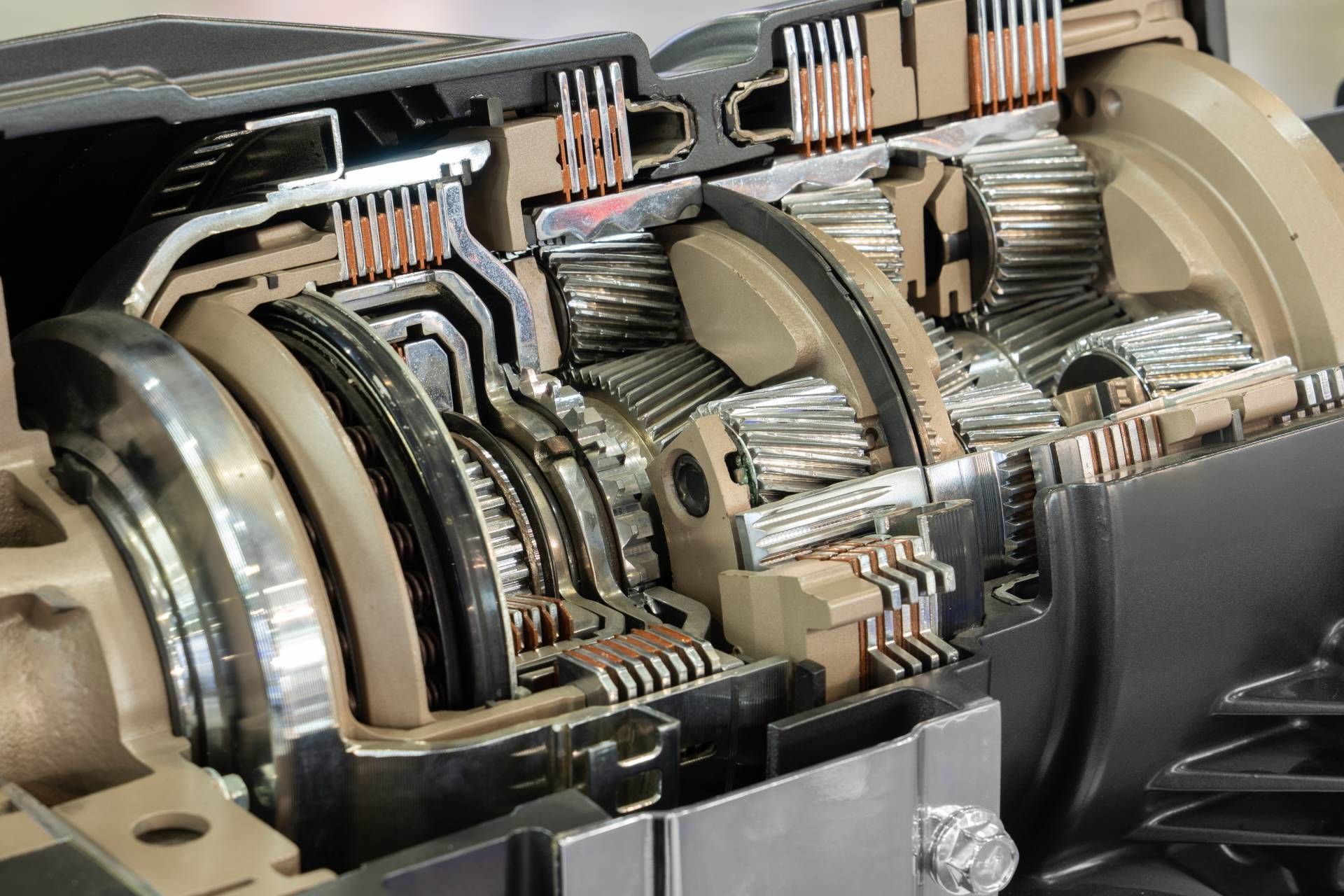
The thickened fluid also reduces lubrication efficiency, and the metal components inside your transmission require proper lubrication to prevent excessive wear and friction. And during cold starts, these parts operate with less protection until the fluid warms up enough. That friction generates additional heat and stress on internal components, damaging transmissions.
Wintry Weather and Transmission Performance
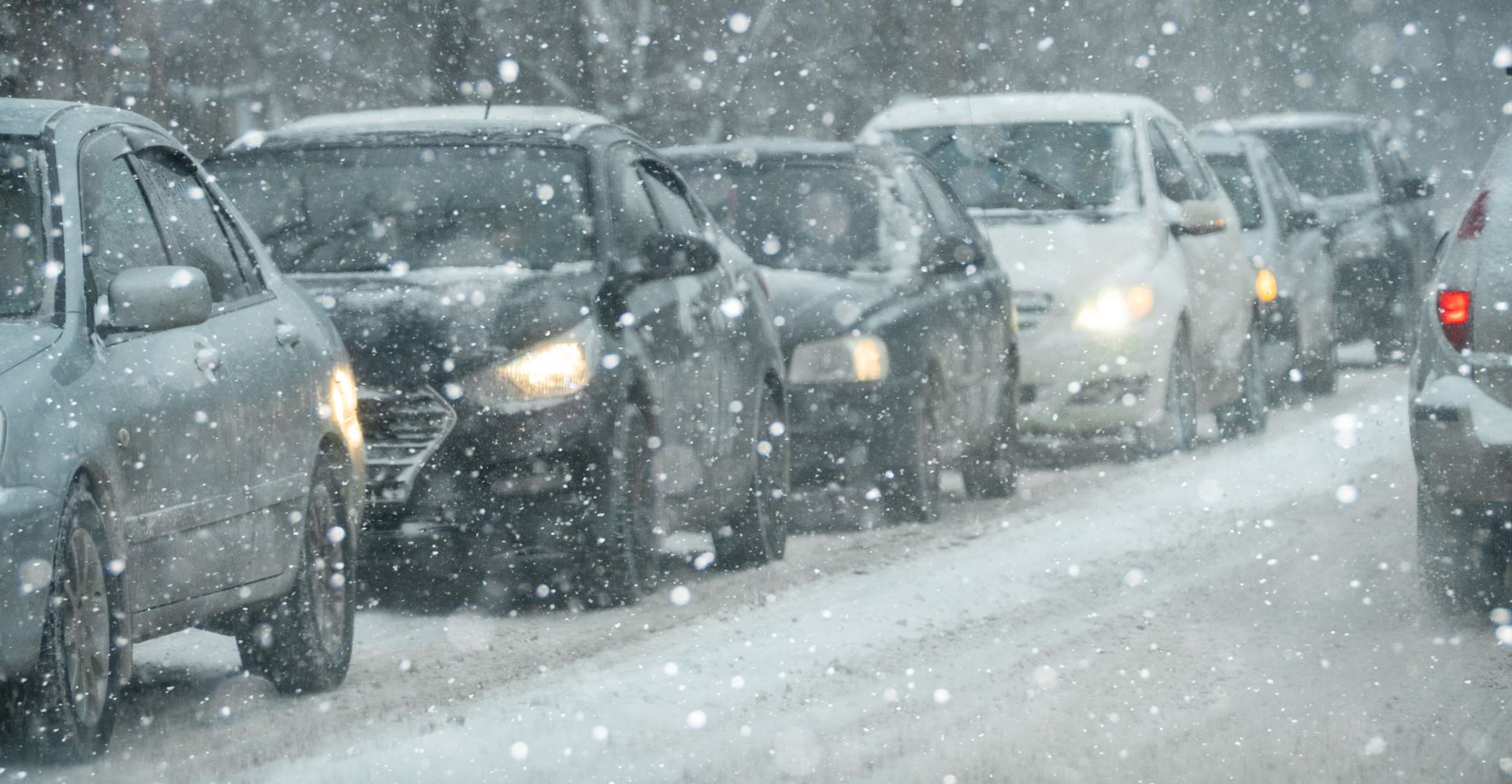
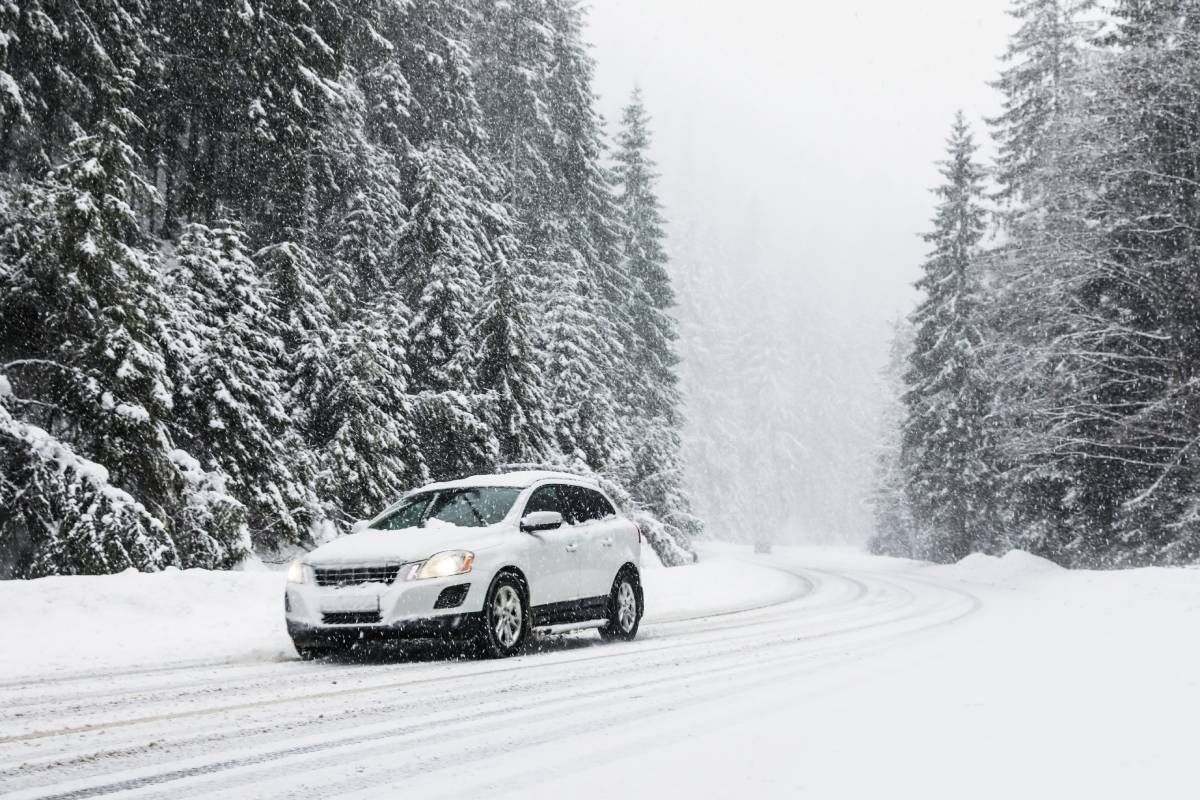
Snow and ice create poor driving conditions that can impact transmissions:
- Wheel slippage causes your transmission to work harder as it attempts to transfer power to the road surface.
- Frequent acceleration and deceleration when driving on slippery roads increases the number of shift cycles.
- Snow- and ice-covered hills are also problematic. Your transmission must downshift more frequently to maintain momentum, generating additional heat despite cold outside temperatures.
This constant shifting between gears increases wear and tear on transmissions.
Choosing Transmission Fluid for Cold Weather
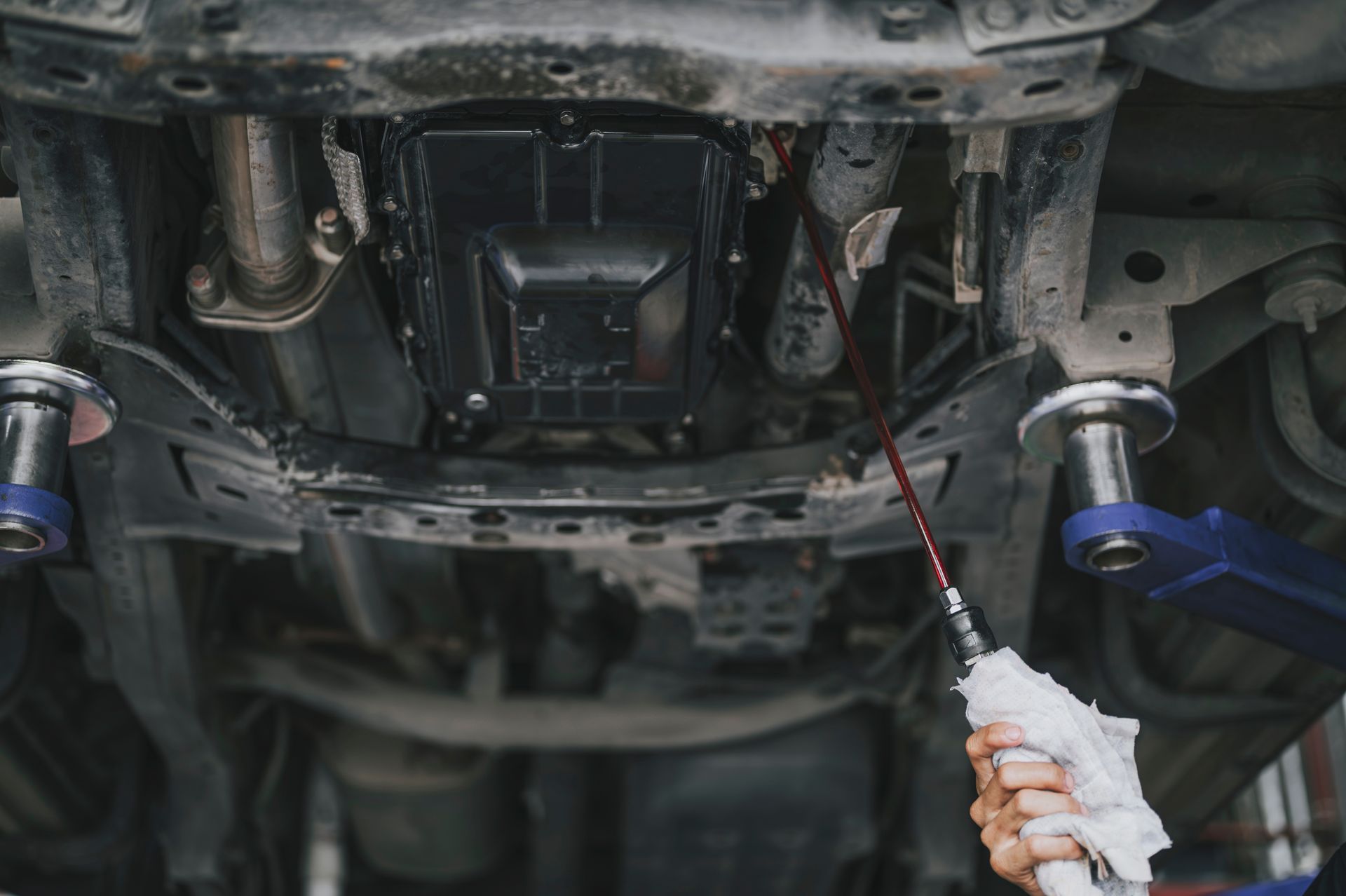
Fortunately, transmission fluid for cold weather makes a noticeable difference in performance. These synthetic fluids retain more viscosity across temperature extremes compared to conventional options. They flow more readily during cold starts, providing faster lubrication to critical components.
Check your owner's manual for manufacturer recommendations regarding fluid specs for cold weather. Some vehicles benefit from transmission fluid for cold weather during the winter, though others need specific formulations year-round. Our qualified technicians at Mr. Transmission can also check the compatibility with your transmission type.
Driving Tips for Better Performance
Transmissions suffer when driving habits include a lot of stop-and-go traffic or frequent short trips. Short drives don't give your transmission enough time to reach proper operating temperature, so that thick, cold fluid never gets a chance to warm up and flow correctly. Add in the constant shifting required for city driving or icy parking lots, and you're asking your transmission to work its hardest under the worst possible conditions.
Every cold start without a warm-up and every aggressive acceleration on a frozen road adds up to premature wear.
Get Expert Care at Your Trusted Transmission Shop in Sharonville, OH
Don't let winter weather or driving habits damage your transmission. We know how both factors affect transmission performance and can recommend the best solutions for your vehicle and driving conditions. We provide superior transmission repair and maintenance to clients in Sharonville, Cincinnati, Northgate, West Chester, Mason, and Mainville, OH. Contact us today to schedule an appointment.