How Often Should You Schedule a Transmission Service?
Countless car and truck owners believe their transmission is “sealed for life,” but that mindset can lead to costly surprises down the road. At Mr. Transmission, our technicians often see the consequences of skipping routine maintenance, which is why we recommend scheduling regular service appointments.

But how often should that happen? It depends on the type of service, your vehicle’s particular transmission, and the mileage.
Transmission Fluid Service vs. Full Transmission Service
Quick lube shops often use these terms interchangeably, which can leave drivers unsure about what transmission services their vehicle actually received. Here are the differences:
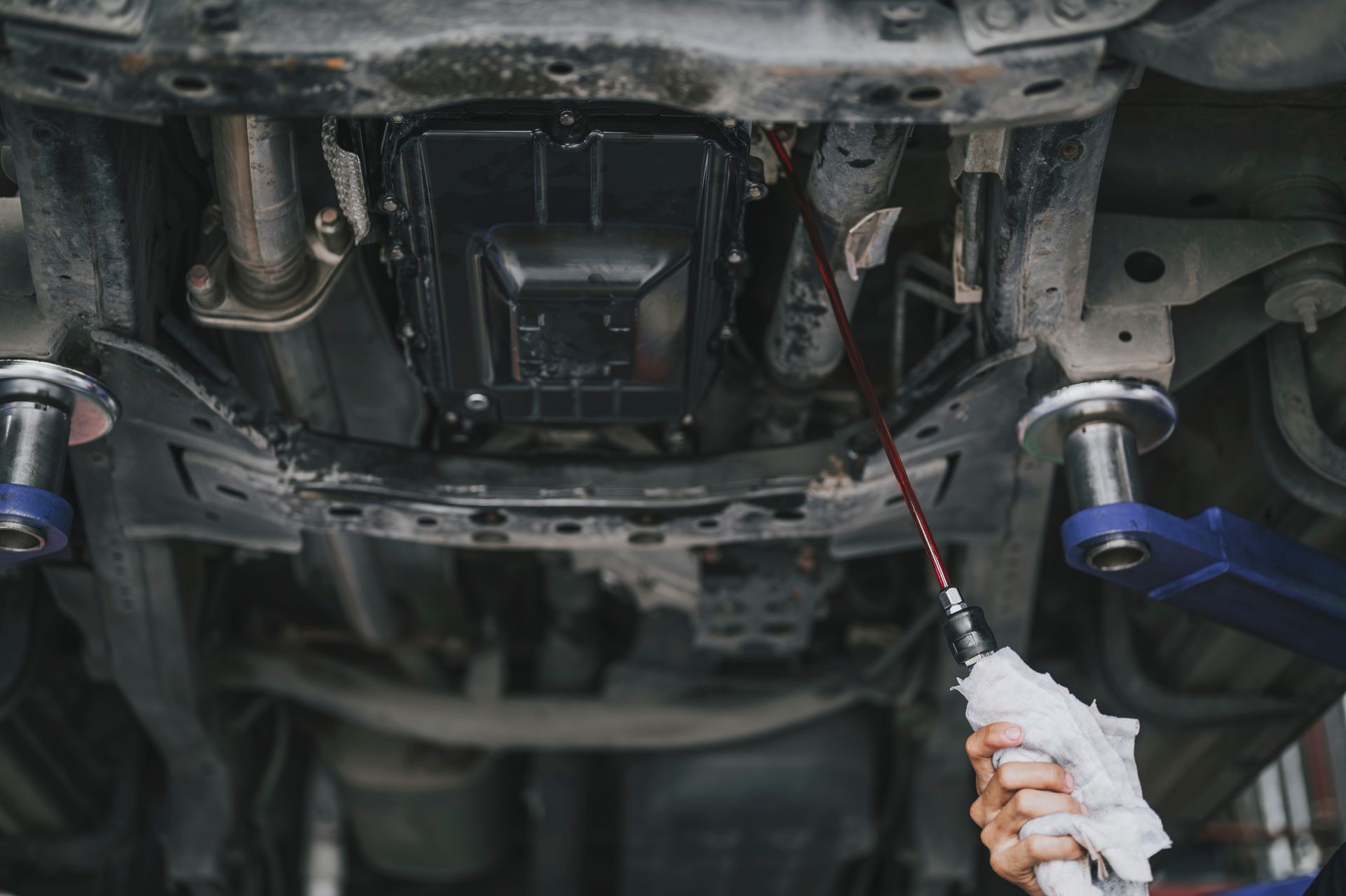
- Fluid Service: This basic service drains the old fluid and refills the transmission with new fluid. But some fluid remains in the torque converter and cooler lines, so this standard drain-and-fill replaces only part of the total supply.
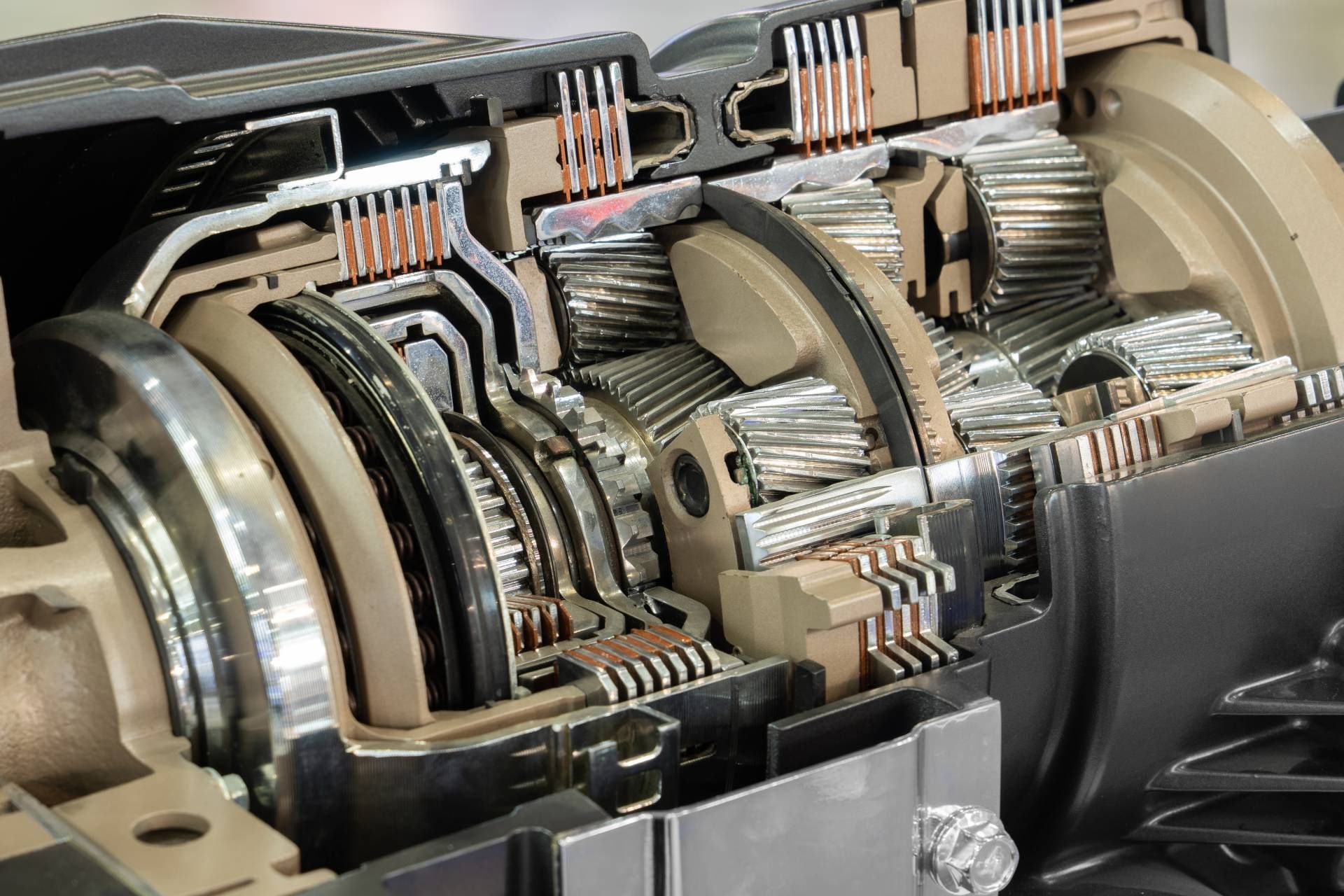
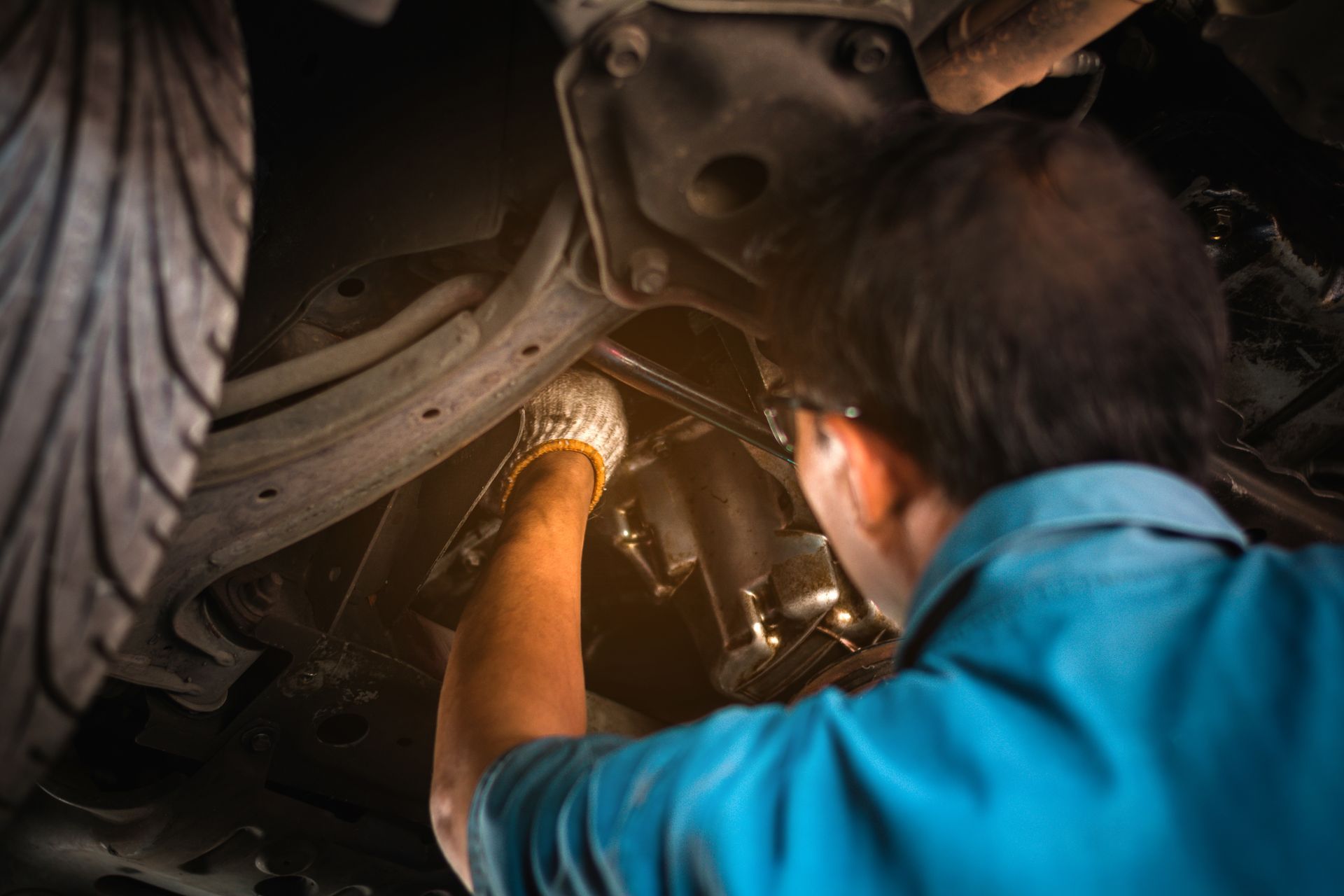
- Full Transmission Service: This more thorough service removes the transmission pan, and the technician inspects it for metal shavings or debris before cleaning the pan and its magnet. They can also replace the filter and pan gasket, examine the seals, and check the cooler lines for leaks. Once the work is complete and the fluid added, a diagnostic scan and road test confirm that it shifts smoothly.
Transmission Service Intervals Vary
Many vehicles need their transmission fluid changed every 30,000 to 60,000 miles, although some owners’ manuals extend that interval to 100,000 miles under normal driving conditions. Since this service simply drains and replaces part of the fluid, it works well as routine maintenance between more lengthy visits.
A full transmission service happens less often, as it involves the added tasks described above. Many shops recommend one every 60,000 to 100,000 miles, or about every other fluid service.
Transmission Service Schedules for Automatic, Manual, and CVT Models
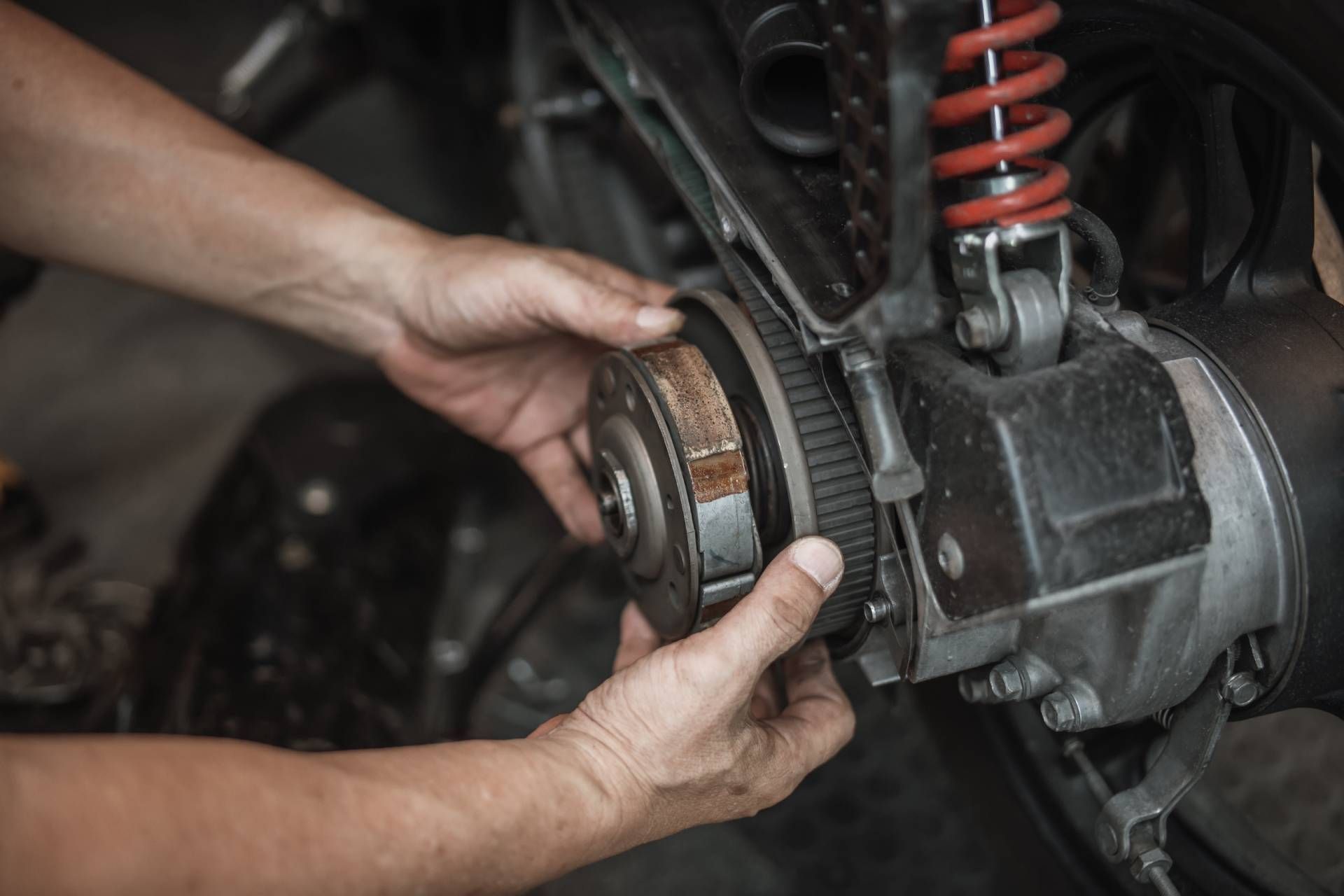
Automatics transmissions generally need a transmission fluid service every 60,000 to 100,000 miles under normal driving conditions. The same mileage range applies to manual transmissions, although some newer models allow longer intervals. Since most manuals have no pan or filter, a fluid service simply involves draining and refilling the gear oil or manual transmission fluid. A full service adds a check of the drain plug magnet for metal particles, a leak inspection, and a test of shifter and clutch operation.
CVTs (continuously variable transmissions) rely on a specialized, heat-sensitive fluid, but many automakers recommend the same 30,000 to 60,000-mile interval. When a CVT has a serviceable filter, a full service includes replacing it.
Signs a Transmission Service Is Needed Sooner
Some transmissions start asking for help before the odometer does. The most common warning signs include:
- delayed or rough shifts
- slipping between gears
- whining, humming, or clunking sounds
- a burning smell
- red or brown spots under the vehicle
We advise against procrastinating; ignoring those red flags can pave the way towards more costly repairs and rebuilds.
Get Transmission Service Near Sharonville, OH
Your transmission works every time you pull away from a stop or merge onto the highway, and regular service keeps it running smoothly and prevents damage. Mr. Transmission provides superior transmission repair and maintenance to clients in Sharonville, Cincinnati, Northgate, West Chester, Mason, and Mainville, OH. Contact us today to schedule an appointment.