Understanding a Dual Clutch Transmission
Dual clutch transmission systems deliver quick gear changes with minimal power interruptions. And while the design offers responsive performance, it also has specific maintenance needs. Our technicians at Mr. Transmission service them often and can explain exactly how they work.
What Is a Dual Clutch Transmission?
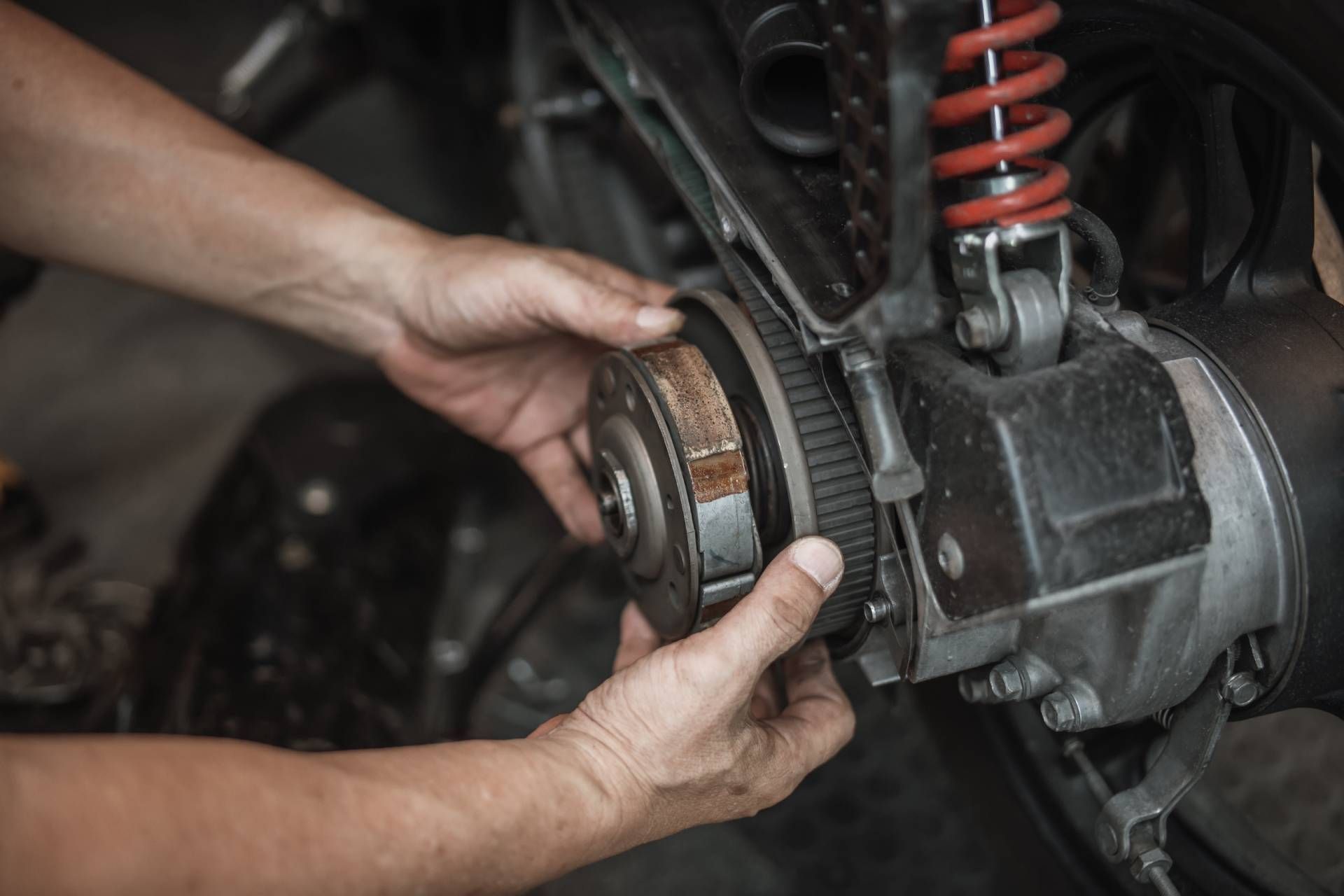
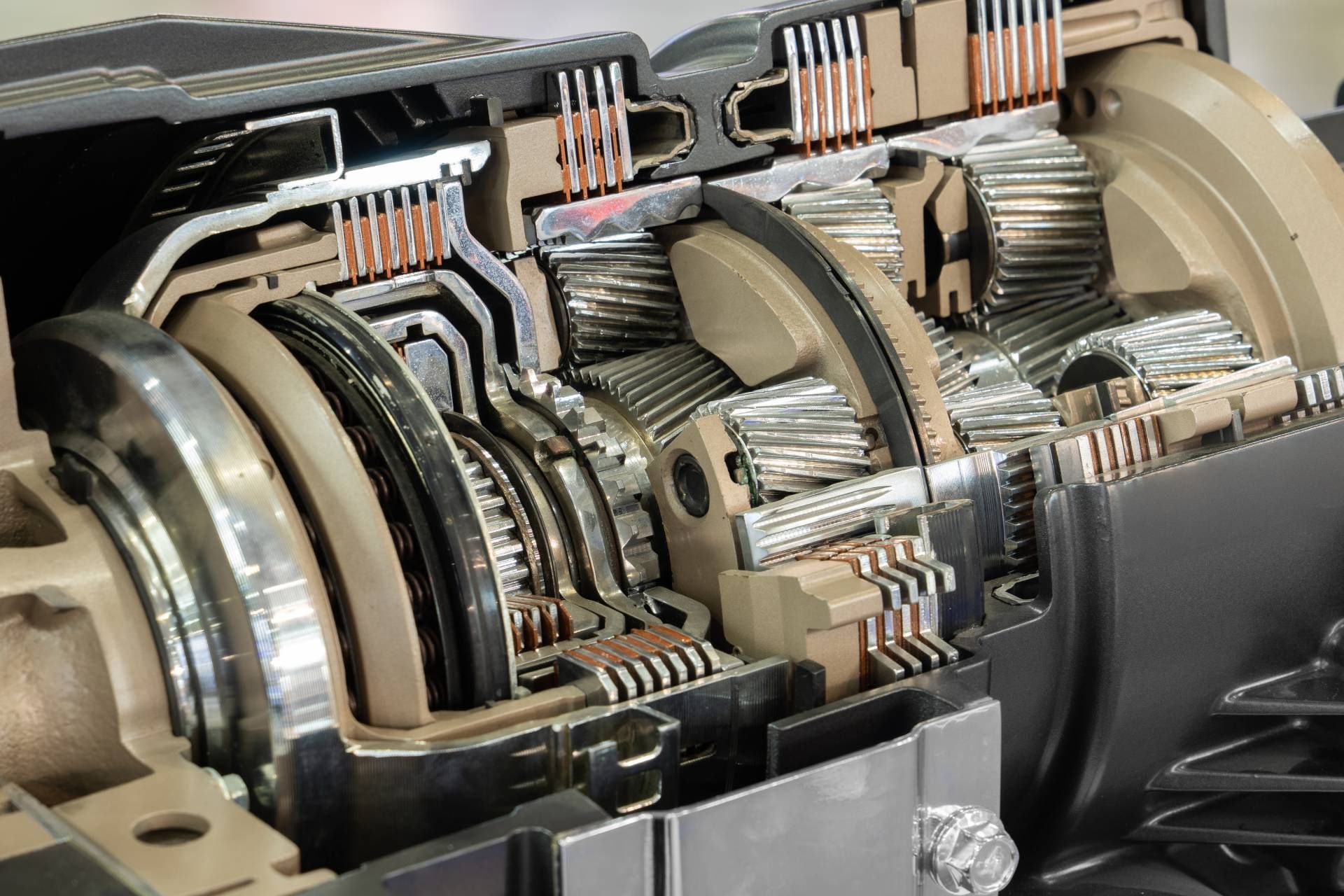
A dual clutch transmission (DCT) combines features of a manual and an automatic transmission. Like an automatic, it changes gears without requiring the driver to use a clutch pedal. However, it uses two clutches to control the gears. One clutch handles first, third, and fifth gears, while the other handles the rest. While the car moves in one gear, the transmission can prepare the next gear on the other clutch, allowing for quicker shifts with little interruption in power.
Just like that next runner, the next gear is already prepared; the car can change gears quickly with little interruption in power. Depending on the vehicle, this design may also improve fuel efficiency compared with some traditional automatic transmissions.
How Does a Dual Clutch Transmission Work?
A dual clutch transmission prepares the next gear before the car needs it. For example, as the car accelerates in second gear, the transmission can prepare third gear. When it’s time to shift, one clutch releases while the other takes over, allowing the car to change gears quickly. Electronic controls manage this process automatically, so the driver doesn’t have to operate a clutch pedal.
Dual clutch transmissions also come in two designs: wet and dry.
- In a wet-clutch system, the clutches sit in transmission fluid, which helps cool them and control friction.
- In a dry-clutch system, the clutches operate without being immersed in fluid.
Both types are DCTs, but their cooling needs and maintenance requirements differ. That’s why using the correct fluid and following the manufacturer's service recommendations are important.
What Fluid Does a Dual Clutch Transmission Need?
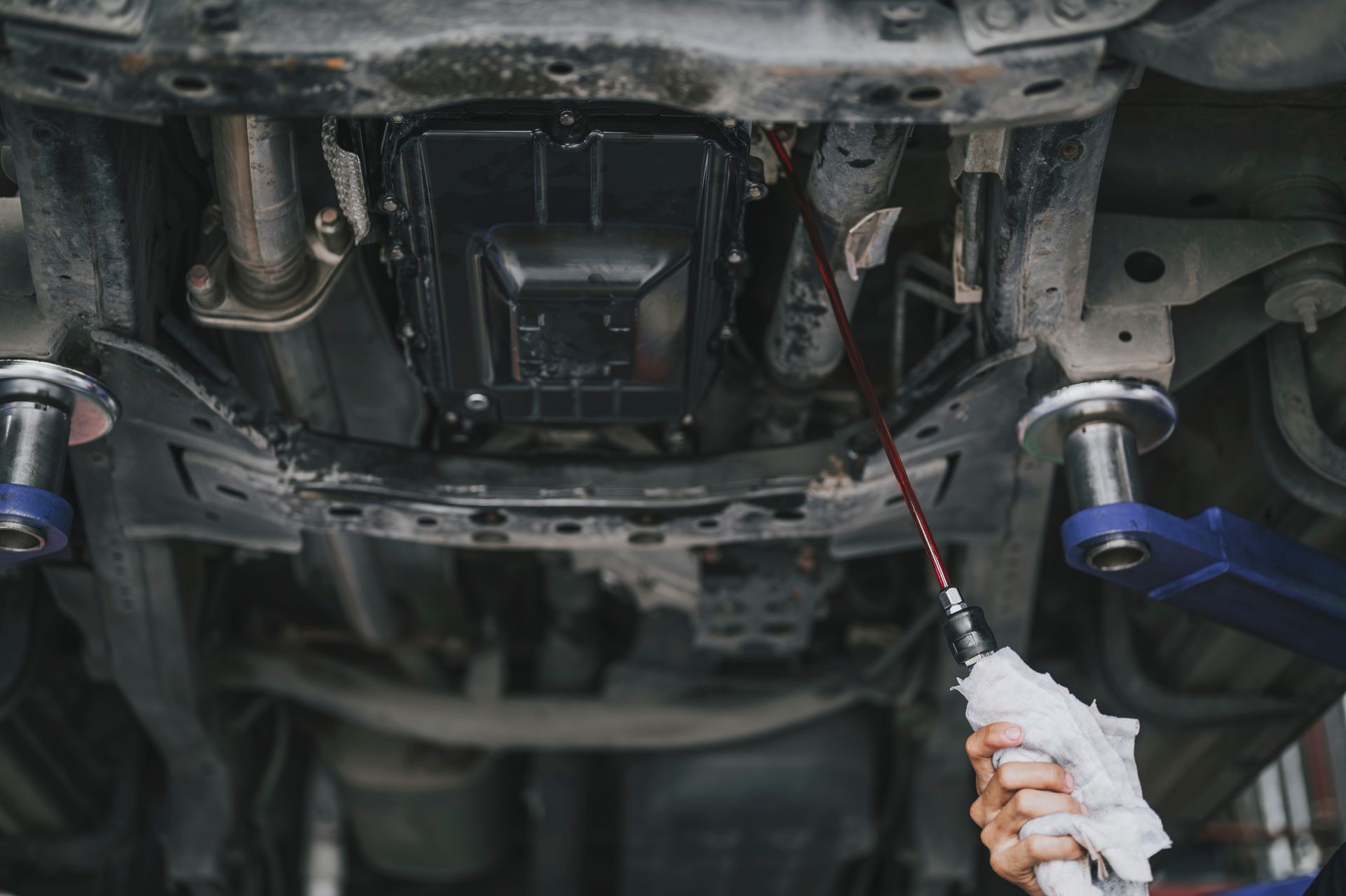
The correct dual clutch transmission fluid depends on the vehicle's make, model, and transmission design. In wet clutch systems, fluid lubricates the components, controls heat, and supports proper clutch operation. Using the wrong product can affect shifting and cause premature wear. Dry clutch systems have different lubrication needs, so they may require separate fluids for the gears and other components.
What Are the Warning Signs of Dual Clutch Transmission Problems?
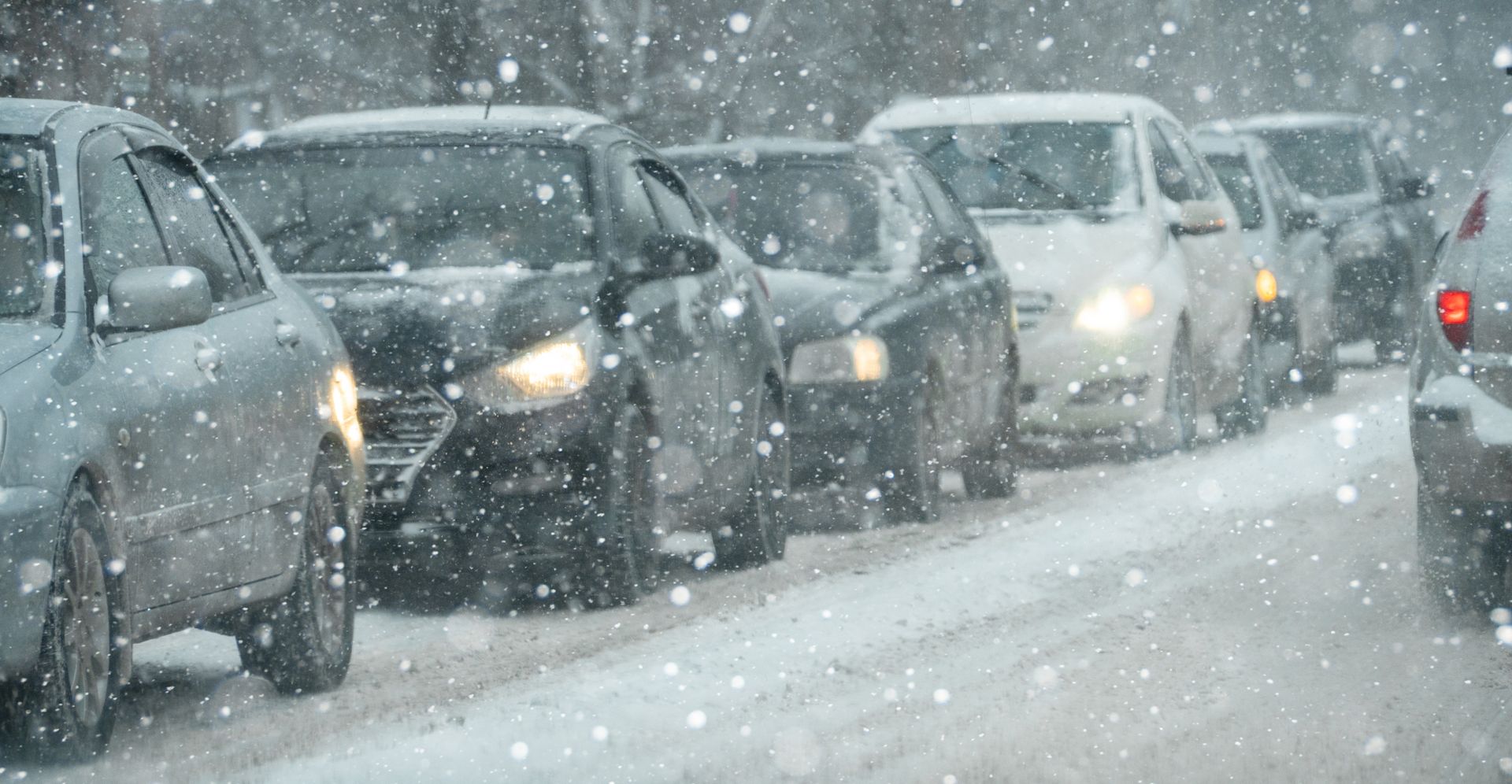
Delayed engagement, slipping, shuddering during acceleration, unusual noises, or dashboard warning lights may signal a problem. Some DCTs also feel less smooth at low speeds, particularly in stop-and-go traffic. If these symptoms persist or worsen, contact our team.
How Can I Extend the Life of a Dual Clutch Transmission?
Your driving habits can affect clutch wear and operating temperatures.
- In heavy traffic, leave enough room to move forward naturally instead of repeatedly creeping ahead.
- On hills, use the brake to hold your vehicle rather than the accelerator, as the accelerator can generate excess clutch heat.
- Avoid aggressive acceleration and repeated hard starts, which can put extra strain on the clutches and increase wear.
Keep Your Dual Clutch Transmission Shifting Smoothly
If you notice unusual shifting or have questions about your vehicle’s service needs, contact Mr. Transmission. Our qualified techs can recommend appropriate maintenance or repairs. We provide superior transmission repair and maintenance to clients in Sharonville, Cincinnati, Northgate, West Chester, Mason, and Maineville, OH. Contact us today to schedule an appointment.