What is a CVT Transmission?
If your car shifts without the usual jolt between gears, there's a good chance it has a CVT (continuously variable transmission). Unlike a standard automatic that steps through a fixed set of gears, a CVT uses a belt-and-pulley system that adjusts smoothly across a wide range of ratios. That way, the engine stays in its most efficient zone no matter your speed.
Mr. Transmission works on these systems often, and we encourage you to learn how a CVT operates — that makes it easier to spot trouble before it turns into a bigger repair.
CVT vs. Automatic Transmission
A traditional automatic transmission relies on a set of gears, usually between 6 and 10, and shifts between them as you accelerate.
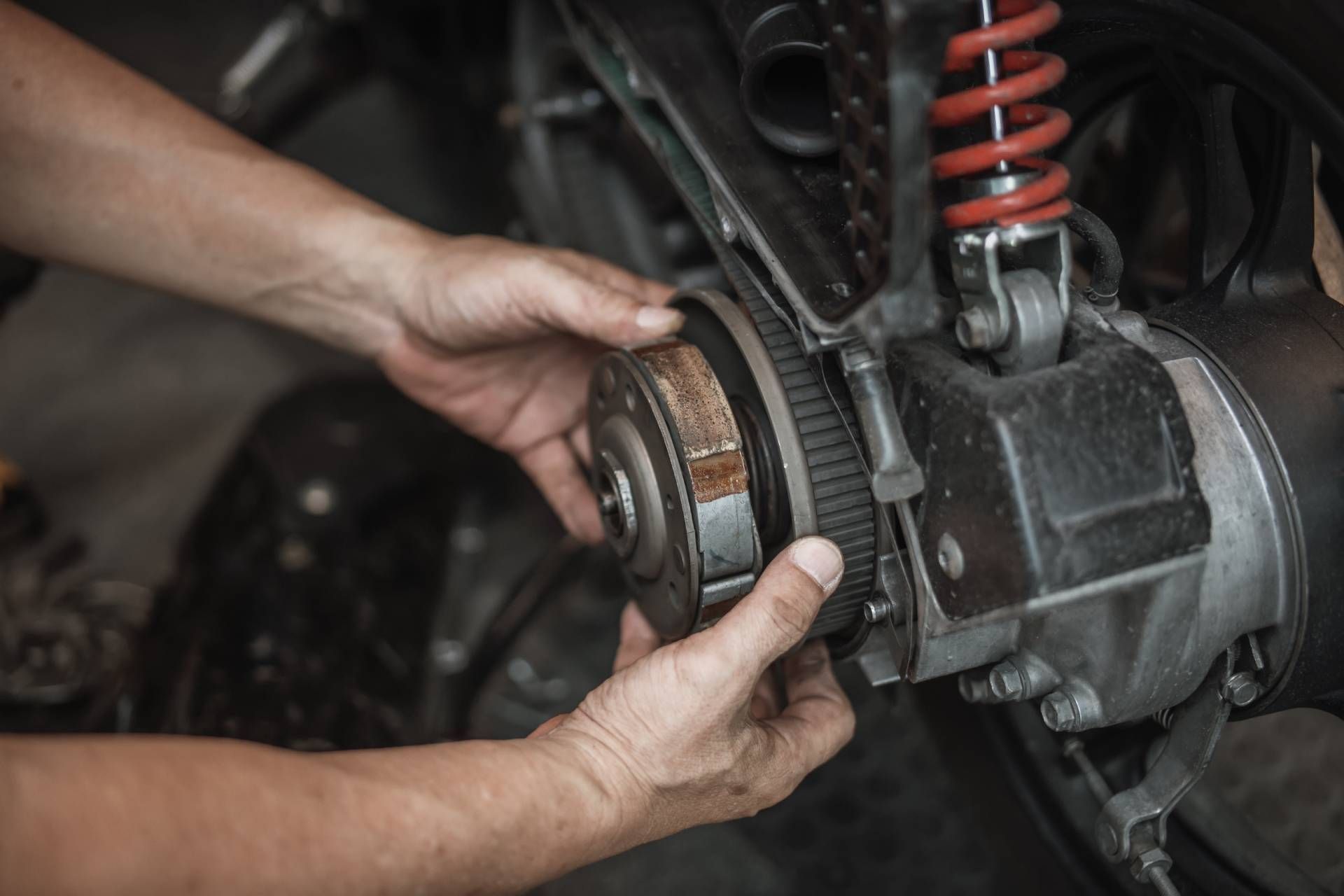
A CVT skips the gears entirely. Two pulleys, connected by a steel belt or chain, expand and contract to change the transmission ratio smoothly rather than jumping between fixed gears. There’s no gear to "catch," so the ride feels smooth. The engine settles into a steady hum instead of the rise and fall we see with a standard automatic.
What Cars Have CVT Transmissions?
Several major brands use a CVT transmission across their lineups, though this list is subject to change:
- Honda: Civic, Accord, CR-V, and HR-V
- Nissan: Sentra, Altima, Rogue, and Kicks
- Subaru: Outback, Forester, Crosstrek, and Impreza, across most of its lineup
- Hyundai: Venue, Elantra, and Kona
- Kia: Soul, Forte, and Seltos
- Mitsubishi: Outlander, Outlander Sport, and Eclipse Cross
- Chevrolet: Trailblazer
Why CVT Maintenance Looks a Little Different
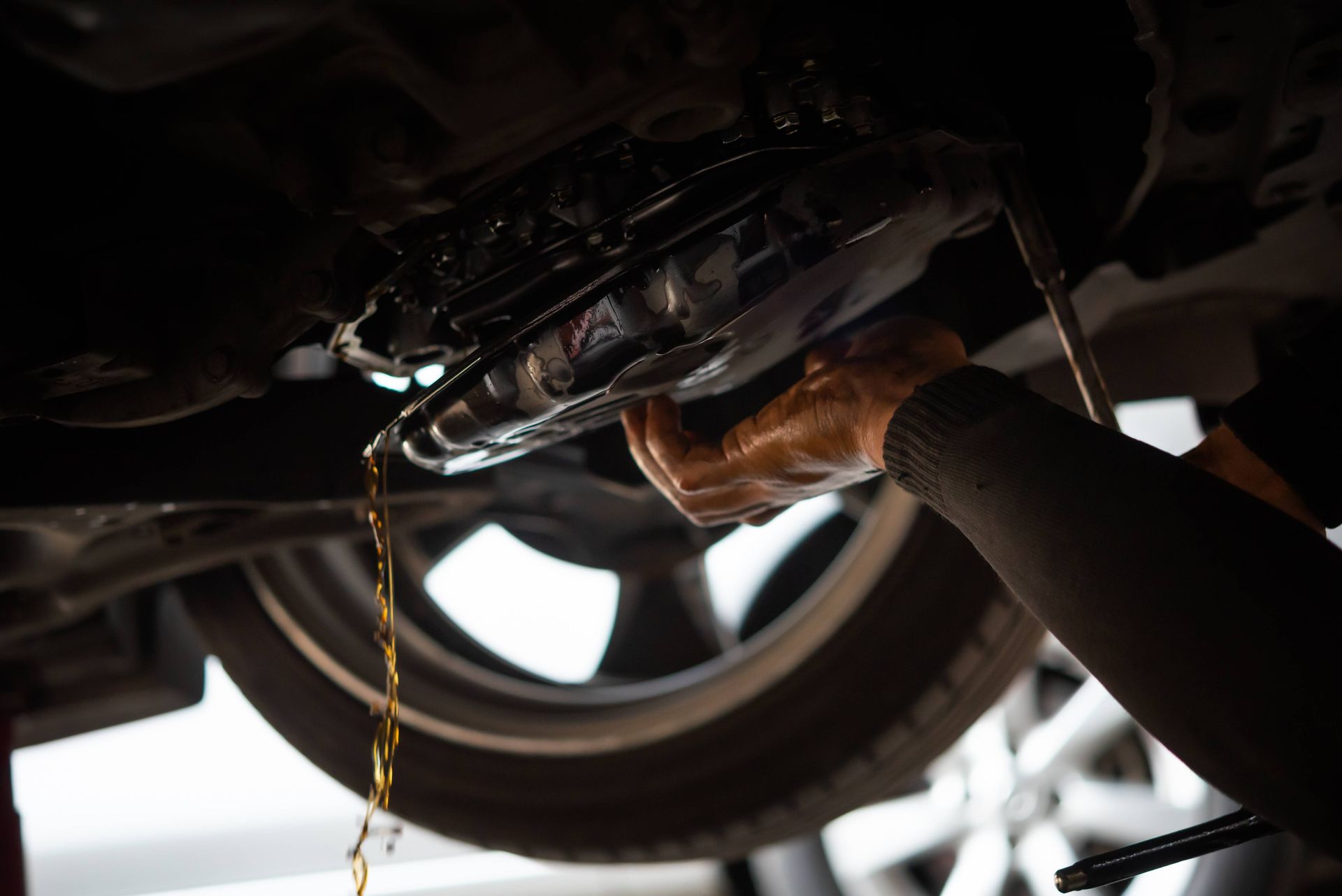
A CVT relies on its belt, pulleys, and fluid working together under constant pressure, so fluid condition matters more here than it does in many traditional automatics. Using the wrong fluid type or waiting too long between changes can considerably shorten the life of the belt and pulleys.
That’s why manufacturers recommend shorter or more specific service intervals than what owners are used to with a standard automatic.
Signs Your CVT May Need Attention
A few common warning signs include:
- a shuddering or jerking feeling at low speeds
- a whining or humming noise that gets louder under acceleration
- delayed response when you press the gas pedal
- the transmission warning light turns on
- a burning smell, which often points to overheated fluid
Addressing those issues early makes better sense than waiting until the transmission needs a full rebuild or replacement.
Where Mr. Transmission Fits In
Our experienced Mr. Transmission technicians work with CVTs regularly, from routine fluid service to diagnosing the issues described above. Because CVTs are built differently from geared automatics, using a shop familiar with their specific fluid requirements and internal components can make a real difference in a transmission’s overall performance and longevity.
Don't Ignore That Warning Light: Give Your CVT Transmission the Care It Deserves
A CVT that gets proper fluid changes and early attention to minor symptoms tends to last much longer than one that gets ignored until something breaks. Our Mr. Transmission techs can check your fluid, inspect for early warning signs, and walk you through what your specific model needs. We provide superior transmission repair and maintenance to clients in Sharonville, Cincinnati, Northgate, West Chester, Mason, and Mainville, OH. Contact us today to schedule an appointment.